
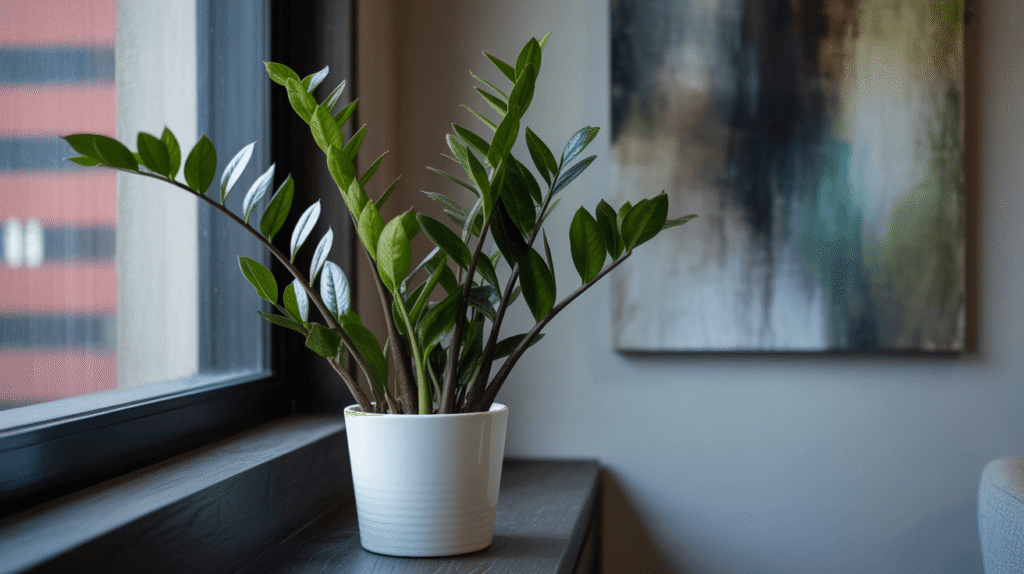
Have you ever wanted to add greenery to your home but felt discouraged because your space doesn’t get much sunlight? Don’t worry—you’re not alone. Many apartments, offices, and even homes with shaded windows struggle with low natural light. The good news? There are plenty of indoor plants for low light that not only survive but thrive in dimly lit conditions.
Adding plants to darker corners isn’t just about décor. These resilient plants can improve air quality, reduce stress, and bring life into spaces that often feel dull or neglected. Whether it’s your bedroom, office, hallway, or living room, the right plants can flourish even without direct sunlight.
In this comprehensive guide, we’ll cover the best indoor plants for low light, how to care for them, styling tips, and common mistakes to avoid—so you can enjoy a lush green oasis, no matter how much (or little) light you have.
Why Choose Indoor Plants for Low Light?
1. Accessibility
Not every home has big, sunny windows. Low-light plants open the door for anyone to enjoy greenery indoors.
2. Air Purification
Many low-light plants are natural air purifiers, helping remove toxins and freshen your environment.
3. Stress Reduction
Adding plants to dim spaces boosts mood, reduces anxiety, and creates a cozy, inviting atmosphere.
4. Low Maintenance
Most low-light indoor plants are hardy and require minimal care, making them perfect for beginners.
Understanding Low Light Conditions
Before choosing plants, it’s important to understand what “low light” really means.
- Low light: Rooms with north-facing windows, shaded windows, or areas far from natural light sources.
- Medium light: Bright rooms with indirect sunlight.
- Artificial light only: Spaces with no windows, lit only by lamps or fluorescent lighting.
💡 Pro tip: If you can comfortably read a book in a space during the day without turning on lights, it counts as low light—not darkness.
Best Indoor Plants for Low Light
Here’s a curated list of the top plants that thrive in dim spaces:
1. Snake Plant (Sansevieria)
- Why it’s perfect: Virtually indestructible; tolerates neglect.
- Care tips: Water once soil dries; thrives in low to bright light.
- Bonus: NASA-approved air purifier.
2. ZZ Plant (Zamioculcas zamiifolia)
- Why it’s perfect: Glossy, dark green leaves that brighten any corner.
- Care tips: Water sparingly; survives in very low light.
- Bonus: Known as the “eternity plant” for its durability.
3. Pothos (Epipremnum aureum)
- Why it’s perfect: Fast-growing vine that thrives in dim rooms.
- Care tips: Water when dry; grows well in hanging baskets or shelves.
- Bonus: Easy to propagate for endless greenery.
4. Peace Lily (Spathiphyllum)
- Why it’s perfect: Elegant plant with glossy leaves and occasional white blooms.
- Care tips: Keep soil moist; survives in medium to low light.
- Bonus: Excellent air purifier.
5. Cast Iron Plant (Aspidistra elatior)
- Why it’s perfect: Almost impossible to kill; thrives in very dark corners.
- Care tips: Water sparingly; tolerates neglect.
- Bonus: Known as the “bulletproof plant.”
6. Philodendron (Heartleaf Philodendron)
- Why it’s perfect: Classic trailing plant that adapts well to low light.
- Care tips: Water moderately; avoid direct sunlight.
- Bonus: Adds a tropical vibe indoors.
7. Dracaena
- Why it’s perfect: Comes in many varieties with striking leaf patterns.
- Care tips: Likes low to medium light; water lightly.
- Bonus: Great vertical accent for living rooms and offices.
8. Chinese Evergreen (Aglaonema)
- Why it’s perfect: Attractive foliage with silver, red, or green patterns.
- Care tips: Grows well in low light; keep soil evenly moist.
- Bonus: Adds a pop of color to dim rooms.
9. Maidenhair Fern (Adiantum)
- Why it’s perfect: Delicate, feathery leaves that thrive in shade.
- Care tips: Keep soil moist; loves humidity.
- Bonus: Great for bathrooms with indirect light.
10. Lucky Bamboo (Dracaena sanderiana)
- Why it’s perfect: Popular for its unique stalks and easy care.
- Care tips: Can grow in water or soil; tolerates low light.
- Bonus: Considered a symbol of good luck and prosperity.
How to Style Low-Light Plants in Your Home
Brighten Dark Corners
Place a Snake Plant or ZZ Plant in shaded corners to liven up dull spaces.
Create Vertical Interest
Use tall plants like Dracaena or Cast Iron Plant for dramatic effect.
Add Trailing Greenery
Let Pothos or Philodendron trail from shelves, bookcases, or hanging baskets.
Mix with Décor
Pair plants with stylish ceramic pots, woven baskets, or minimalist planters for a chic look.
Bathroom Plants
Ferns and Peace Lilies thrive in humid, low-light bathrooms.
Tips for Caring for Low-Light Indoor Plants
Watering
- Check soil moisture before watering.
- Most low-light plants prefer slightly dry soil.
- Overwatering is the #1 cause of plant problems.
Lighting
- Even low-light plants need some light—place near windows or under lamps.
- Rotate plants regularly to ensure even growth.
Humidity
- Use a humidifier or mist leaves for humidity-loving plants like ferns.
- Bathrooms and kitchens are great spots for humidity lovers.
Cleaning & Pruning
- Dust leaves with a damp cloth to help plants absorb light.
- Trim dead or yellowing leaves to encourage new growth.
Fertilizing
- Use a balanced fertilizer once a month during growing season (spring–summer).
Step-by-Step Guide: Setting Up a Low-Light Plant Corner
- Choose a Location – Pick a spot that’s naturally shaded but not completely dark.
- Select Hardy Plants – Start with Snake Plant, ZZ Plant, or Pothos.
- Add Stylish Pots – Choose colors and textures that match your room’s theme.
- Incorporate Vertical Space – Use shelves or hanging planters.
- Create a Care Routine – Water weekly, check for pests, and rotate plants.
Common Problems with Low-Light Plants & Fixes
- Yellow leaves → Overwatering.
- Leggy growth (stretched stems) → Move plant closer to light source.
- Brown tips → Low humidity or dry soil.
- No growth → Fertilize lightly or rotate for better light.
- Drooping leaves → Check watering schedule or repot if root-bound.
Benefits of Indoor Plants for Low Light Spaces
- Improved Air Quality – Removes toxins and adds oxygen.
- Mental Health Boost – Reduces stress and anxiety.
- Productivity & Focus – Greenery in low-light offices increases focus.
- Décor Upgrade – Instantly makes dull rooms look more inviting.
- Beginner-Friendly – Most low-light plants are low-maintenance.
FAQs About Indoor Plants for Low Light
1. What is the easiest low-light indoor plant?
Snake Plant, ZZ Plant, and Pothos are the easiest options for beginners.
2. Can plants survive in rooms with no windows?
Yes, some plants can survive under fluorescent or LED grow lights, such as Peace Lily or Lucky Bamboo.
3. How often should I water low-light plants?
Most need watering every 1–2 weeks, depending on the plant and humidity levels.
4. Do low-light plants grow slower?
Yes, plants in low light typically grow slower than those in bright light.
5. Can I use artificial light for indoor plants?
Absolutely! LED grow lights can help plants thrive in windowless spaces.
Conclusion
Having a home with limited natural light doesn’t mean you have to give up on plants. With the right indoor plants for low light, you can transform dim corners into lively, refreshing spaces. Hardy plants like Snake Plant, ZZ Plant, and Pothos make plant care simple, even for beginners, while elegant choices like Peace Lily or Chinese Evergreen add beauty and sophistication.
So don’t let low light stop you—bring nature indoors and enjoy the countless health and décor benefits of greenery.
🌱 Want more inspiration and plant care tips? Explore Green Plant Zone for expert guides, plant styling ideas, and the best recommendations to keep your indoor garden thriving.
✅ SEO keywords naturally included: indoor plants for low light, best low light houseplants, easy indoor plants, low light greenery, low maintenance plants for indoors, plants for dark rooms.

Hi, I’m the creator of Green Plant Zone, a space dedicated to plant lovers. I share tips on indoor and outdoor gardening, plant care guides, and eco-friendly living. My mission is to help you grow healthier, happier plants and bring more greenery into everyday life.